
Project Type Pavilion
Location Vienna, Austria
Year 2018
Client Mobilitätsagentur Wien
The herbs-tradition-history travels along routes of migration flows and territorial expansions.
Herbs are a natural, cultural and political subject that can tell us the status quo of the entire world.
The project consists of a nomadic pavilion that tells us about the ability of plants to inspire better coexistence conditions.
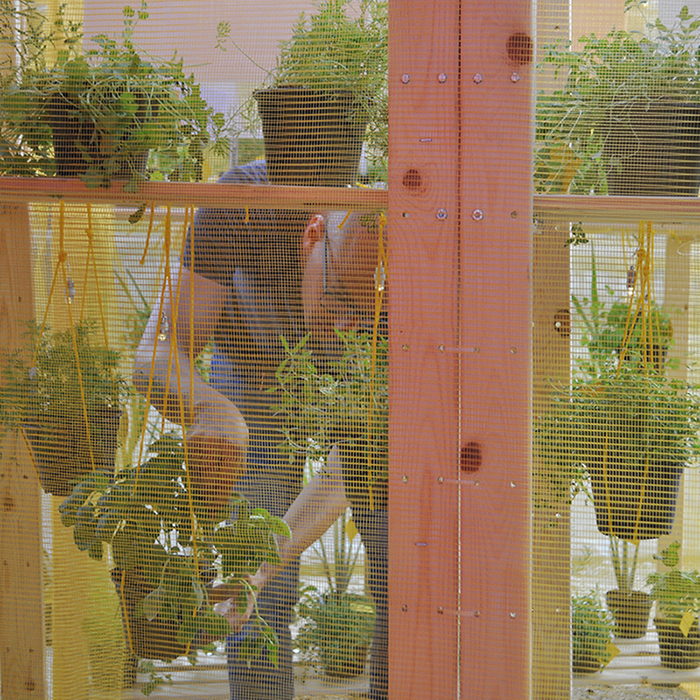
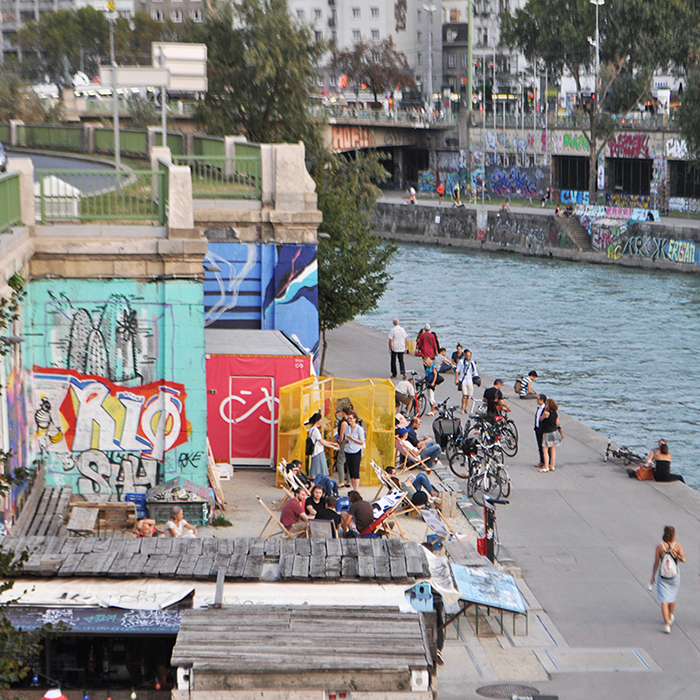
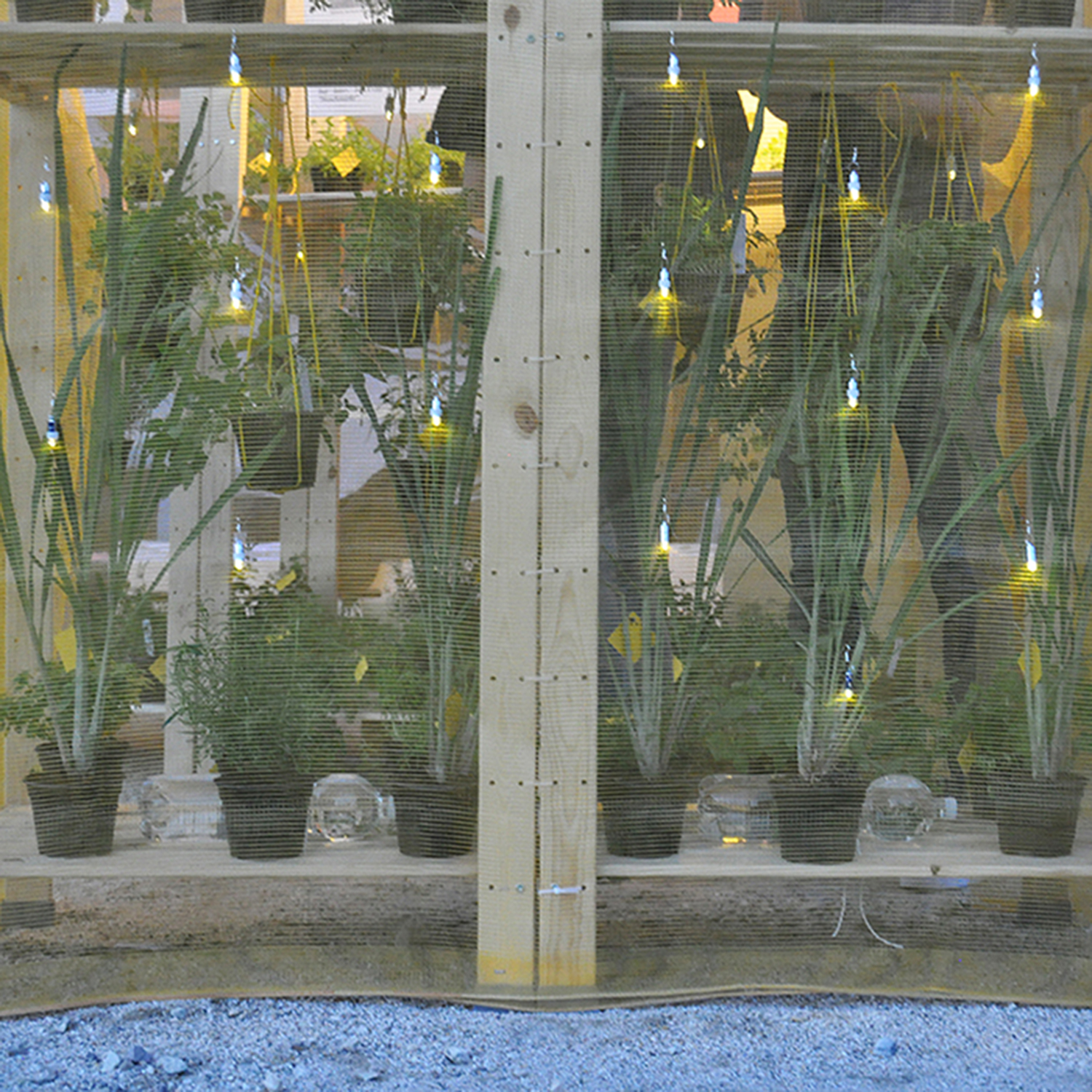
The pavilion is an irregular shaped volume built along the banks of the Danube channel, in Vienna. Covered by the yellow net, a sequence of plants stays on wood shelves and turns the pavilion into a sort of green chamber of wonder.
The photoselective net specifically developed for the horticultural market that covers the inner wood structure gives the pavilion a sense of lightness, airiness and flexibility both during the day and during the night. Over the course of the day the yellow colour and the transparency of the net donate unexpecting chromatic reflections that change with the light. At night, the structure becomes a luminous and evocative lantern that accompany the events organized within the Radsommer am Donaukanal festival, such as concerts and film screening.
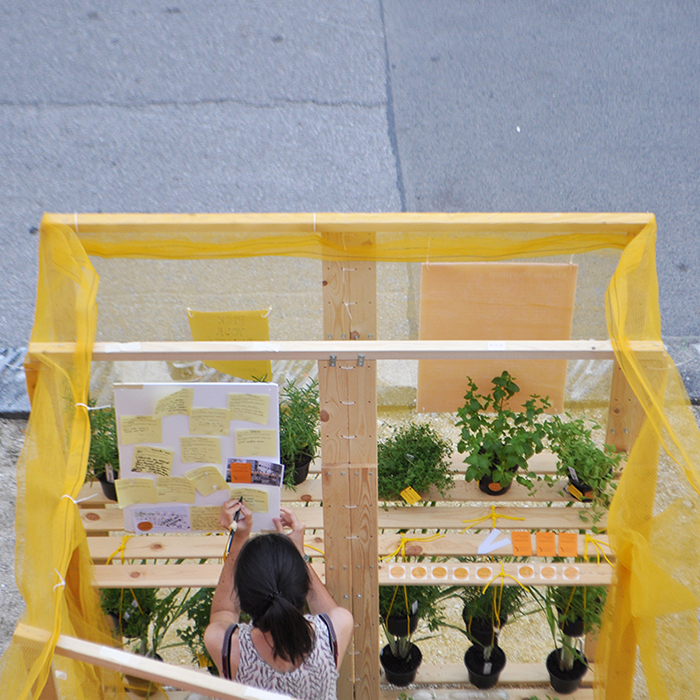
The plants have been carefully chosen among a wide range of worldwide aromatic and spice plants in order to send a clear message: although the diversity of cultural settings that coexist within each territory, it’s always possible to identify examples of peaceful cohabitation among different communities. The history of the herbs-tradition clearly shows that.
All the spice plants exhibited show through their possible usages how one culture is always the result of different cultures successfully criss-crossed and melted together. The pavilion is a metaphor of a small-scale green planet, a site to recognise our dependency on other species, and the capability of composing life out of movements and differences, in a shared responsibility.
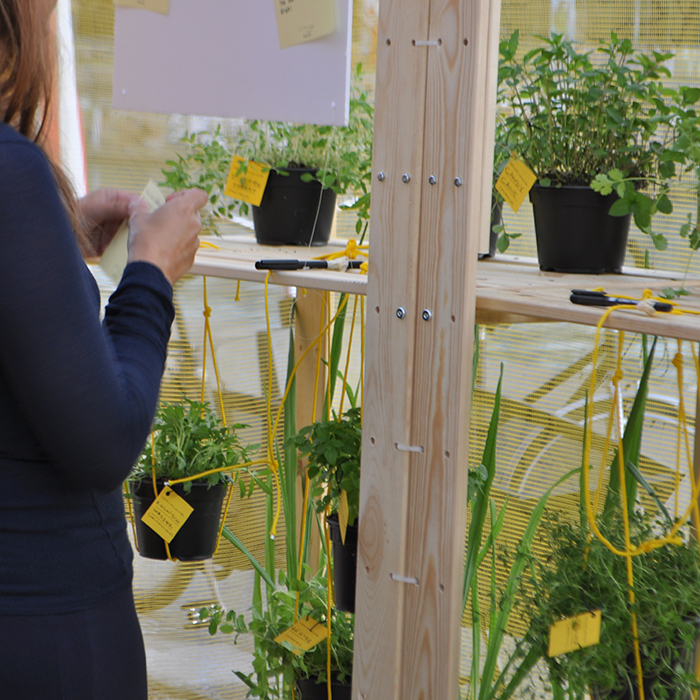
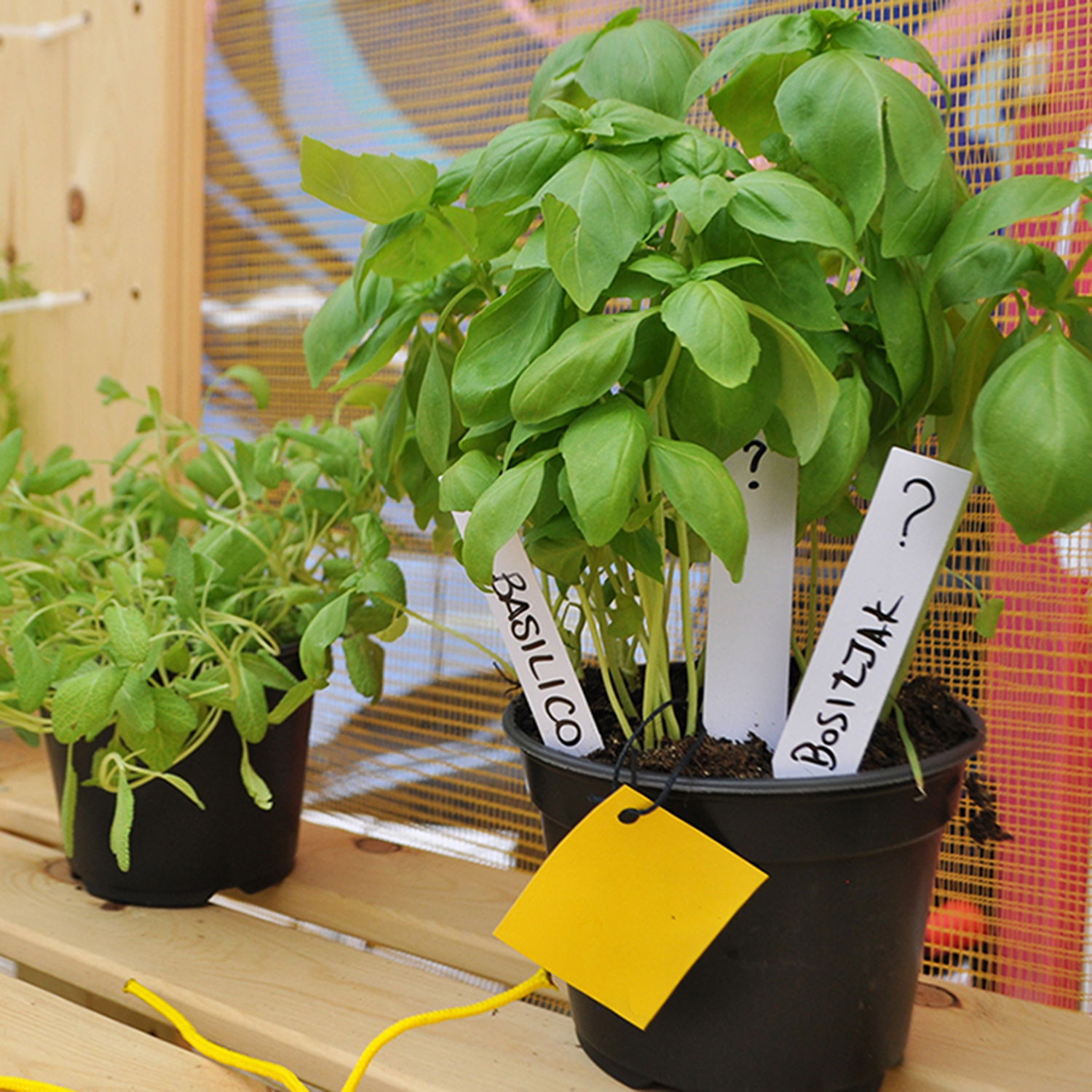
In each pot, the name of the plant has been substituted with the plant culinary usages in at least three different countries in the world. This way the visitors could playfully discover how diverse and unexpected the mixité culturelle of our countries is. Besides, people were asked to bring their own experiences by writing down intercultural food recipes or simply stories related to the spice plants exhibited.
Gallery
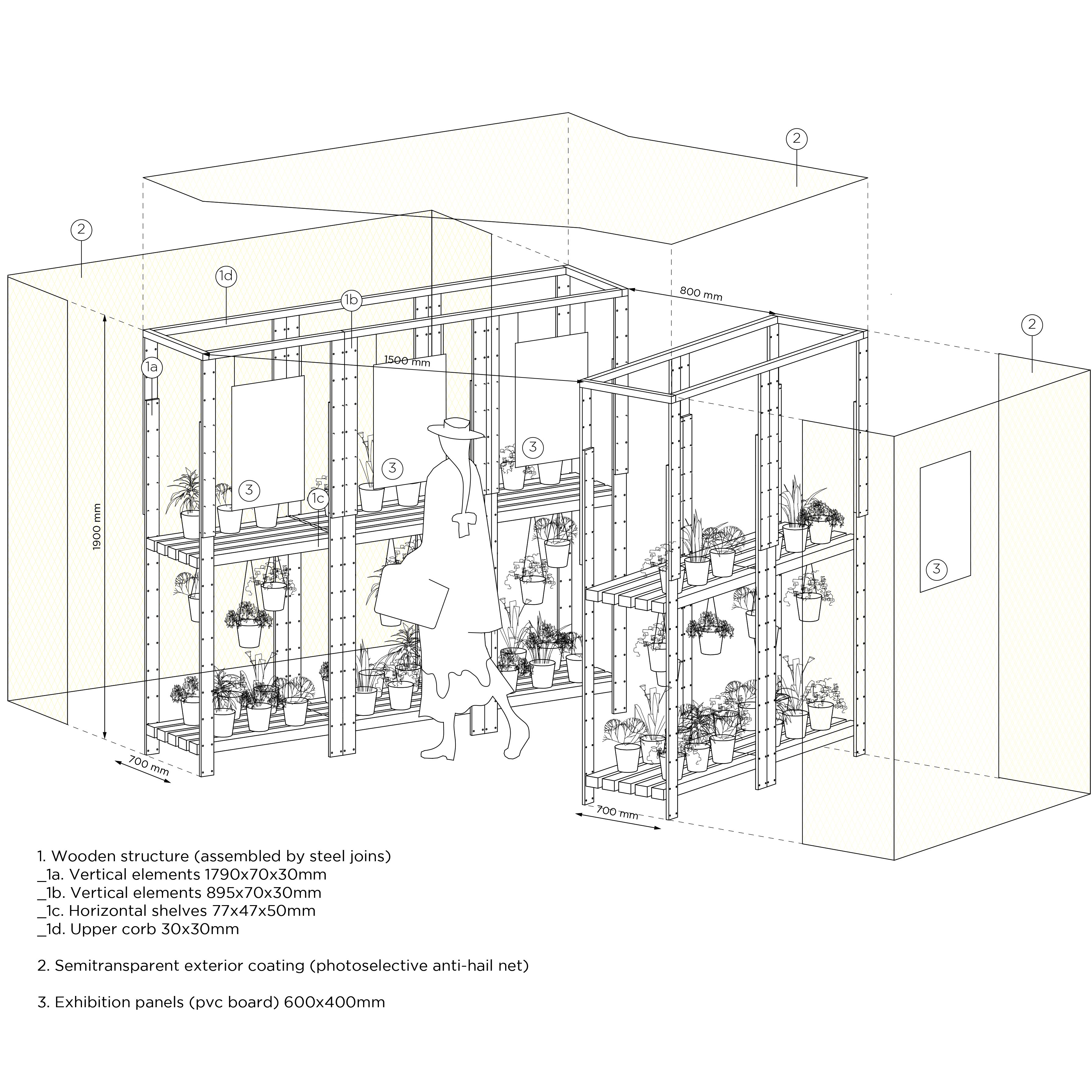
Axonometric view 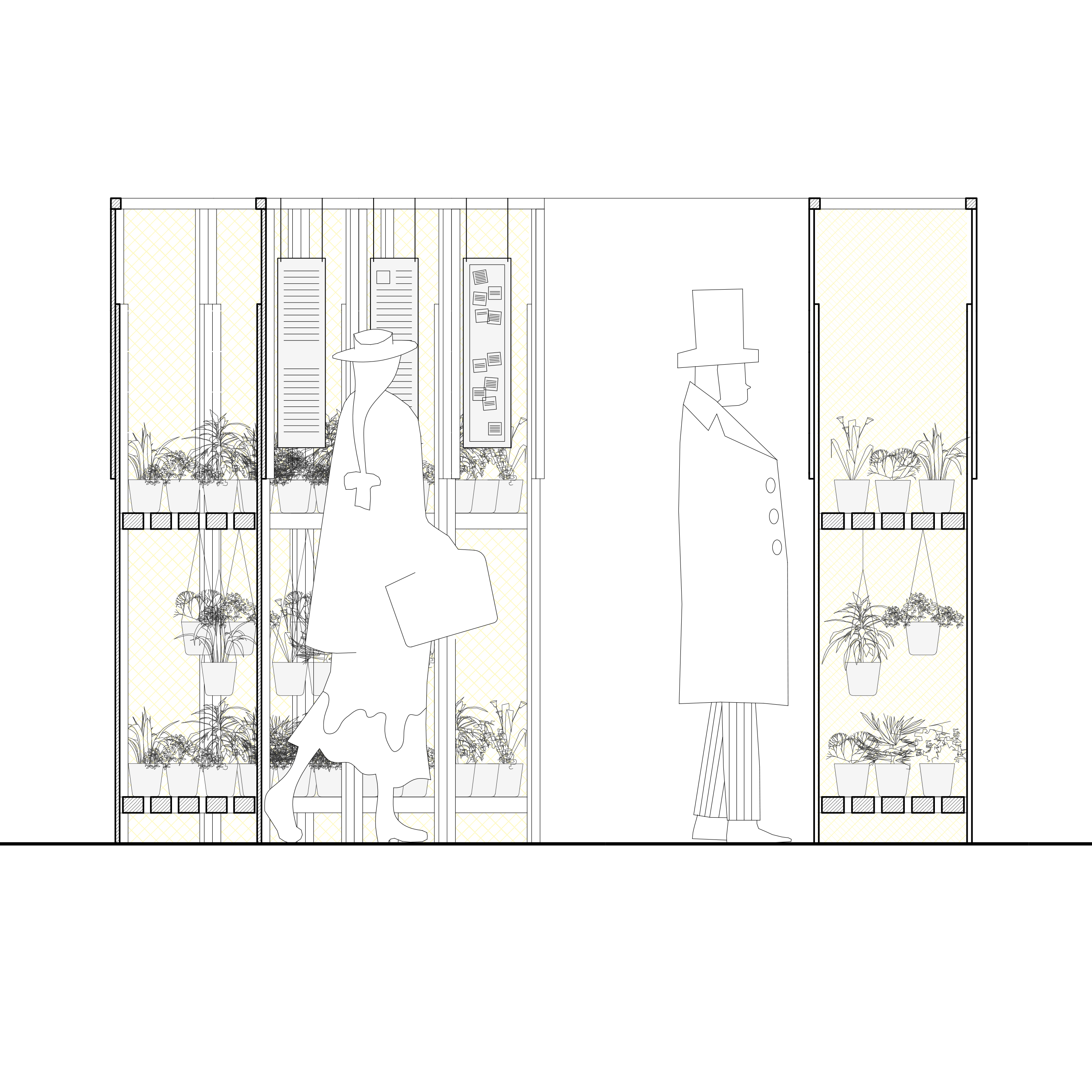
Elevations 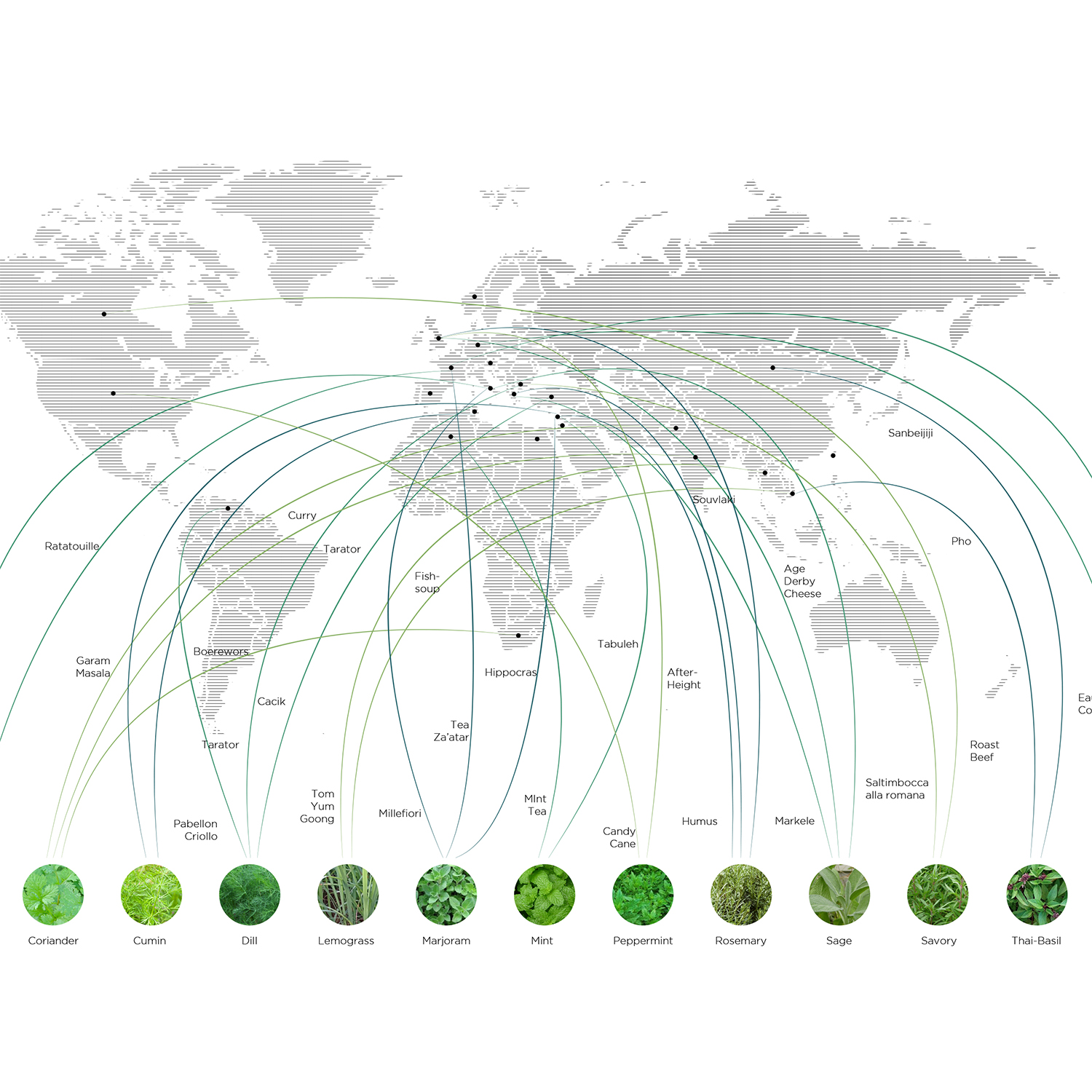
Map of the spice plants exhibited 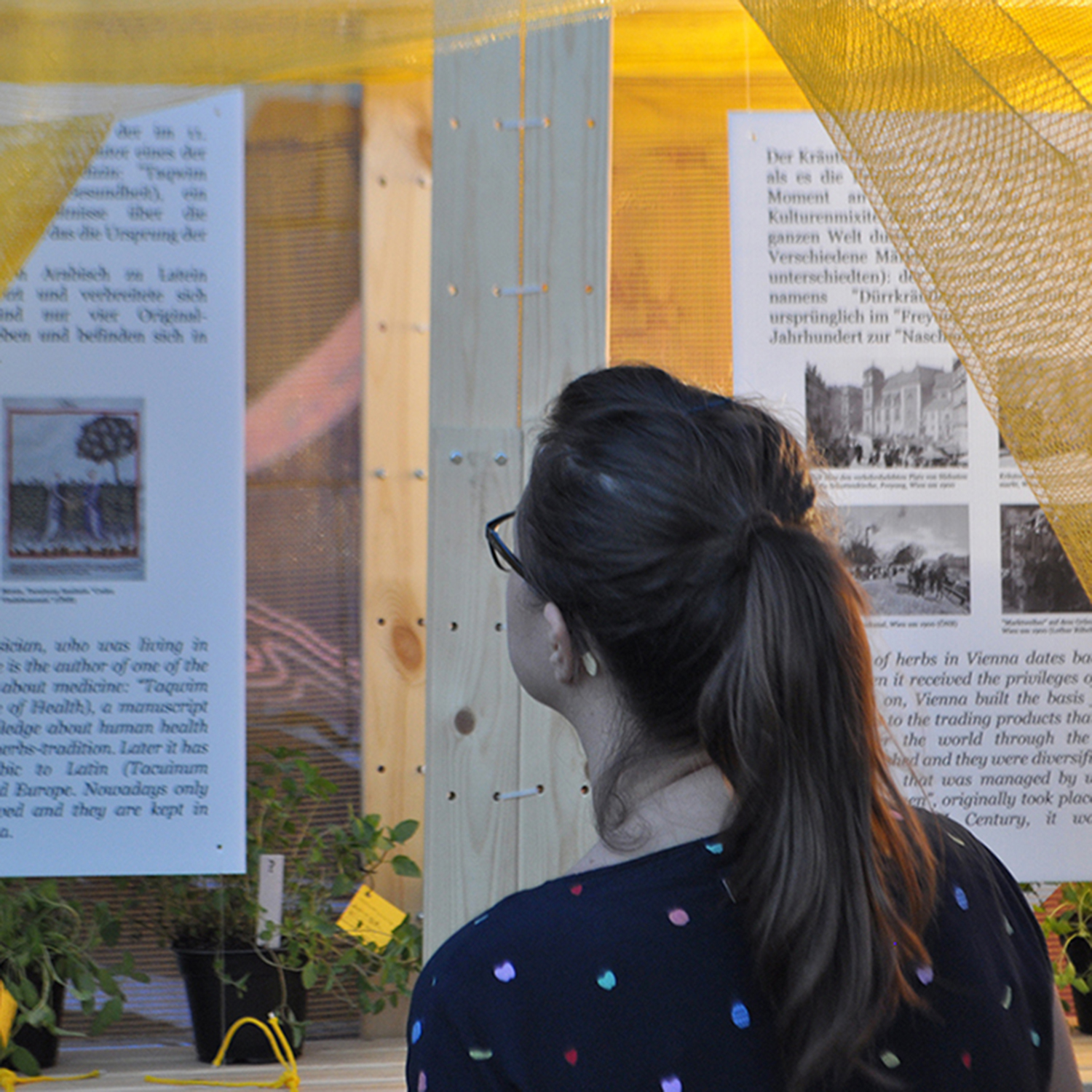
 RINGSCAPE ARCHITECTURE